
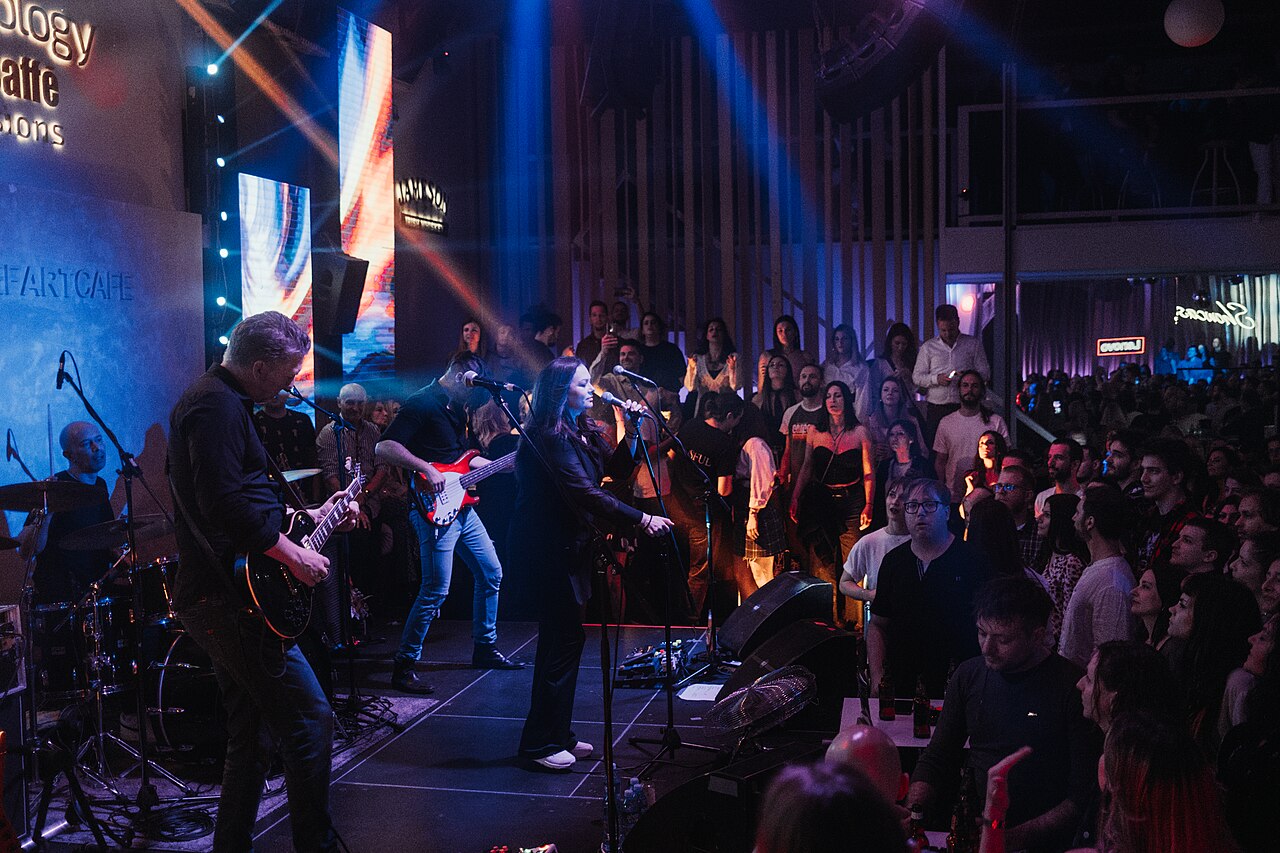
Beyond the Mic Stand: How to Own Your Live Show
It’s not enough to play well; you need to connect with your audience. Learn how to transform your performance from a practice session into an unforgettable live experience that keeps fans coming back.
You've rehearsed until your fingers are numb, your setlist is a masterpiece, and you know every vocal run cold. But when you step on stage, are you just playing songs, or are you actually putting on a *show*? The difference, especially in small clubs and local venues, often comes down to stage presence – that intangible magic that turns a gig into an experience.
Forget stadium pyrotechnics for a minute. We're talking about the fundamental connection that makes someone remember you, tell their friends, and buy your merch. It’s not about being a flashy rock star if that’s not your vibe; it’s about authenticity, energy, and making every person in the room feel like they're part of something special.
Why Stage Presence Matters More Than You Think
I’ve seen a thousand bands with incredible chops disappear into the background because they were staring at their pedalboards or singing to the back wall. And I've seen bands with decent songs but magnetic energy captivate a room. Your audience isn't just there to hear your music; they're there to *see* it, to *feel* it. They want a story, a connection, a reason to care.
My job is to make you sound good, right? But I can dial in the perfect vocal mix, clean up your guitar tone, and get your drums punchy, and if you're standing still like a statue, avoiding eye contact, and mumbling between songs, half the room is going to be scrolling on their phones. Your presence is your direct line to their attention. It tells them you care, you’re present, and you want them to be too.
Practical Moves: What to Actually *Do* On Stage
This isn't about faking it 'til you make it. It's about bringing your genuine self to the forefront and amplifying it.
- Make Eye Contact: This is huge. Don't just stare at one spot. Sweep the room. Pick out individuals and make a momentary connection. It makes people feel seen, not just observed.
- Move with Purpose: Even if your stage is tiny, use it. If you're a guitarist, move from stage left to stage right. If you're a vocalist, step away from the mic stand during an instrumental break. Your body language should reflect the emotion of the song. Watch performances from Queen's Live Aid set – even in a massive stadium, Freddie Mercury in _Bohemian Rhapsody_ commanded the stage with deliberate, engaging movements and direct interaction.
- Engage Between Songs: Don't just grunt the next song title. Talk to the audience. Tell a quick, relevant story about the song. Thank them for coming. Ask how they're doing. Make them feel like guests, not just observers.
- Mind Your Mic Technique: This comes up every gig. Stop cupping the mic. Hold it correctly (finger straight down the barrel for most dynamic mics like the Shure SM58), keep it close to your mouth, and don't wander off-axis. Your stage presence is diminished if I'm constantly fighting to make your vocals audible. If you're hiding behind the mic, you're not connecting.
- Use Your Hands: If you're not playing an instrument, your hands are part of your expression. Don't let them hang lifelessly. Use them to emphasize lyrics, convey emotion, or interact with the mic.
The Prep, The Pitfalls, & The Payoff
Great stage presence starts long before you hit the first chord.
Master Your Material
If you're still thinking about chord changes or lyric recalls, you can't think about the audience. Your set needs to be so ingrained that you can perform it on autopilot, freeing your mental bandwidth to connect, move, and engage. This isn't just about practicing; it's about *over-practicing* until performance is second nature.
Dress the Part
What's your band's aesthetic? Even if it's casual, make it intentional. Your clothing is part of the visual show. You don't need expensive threads, but you should look like you put thought into it. It’s about presenting a cohesive package.
Dial In Your Monitors (This Is On You, Mostly)
I can’t tell you how many times I see artists complain about monitors mid-set and let it tank their performance. If you can't hear, you can't perform confidently. Before the show, during soundcheck, be crystal clear about what you need in your monitor mix. Is it more vocal? Less guitar? Drums present? Don't be vague. “More me” isn't helpful; “More vocal, less kick in my wedge” is. Get it right, and then forget about it. Staring at your feet because you can't hear yourself is a stage presence killer that's usually avoidable.
Embrace Imperfection
You're going to hit a wrong note. Your guitar might buzz. The mic stand might wobble. Don't let it throw you. Acknowledge it with a smile, maybe a quick shrug, and move on. The audience cares more about your recovery and your continued engagement than they do about a momentary glitch.
Ultimately, owning the live show is about channeling your passion and expertise into a captivating experience. It’s about amplifying who you are as an artist, not creating a fake persona. Practice your stage presence like you practice your scales, and watch how it transforms your gigs from just another set into a memorable event.
